
Course Summary
| Course Location: | Multiple locations |
|---|---|
| Duration: | Two Years |
| Level: | Postgraduate |
| Delivery: | Hybrid Learning, Part-time |
| Campus: | University of Greater Manchester/ Bolton |
| Award: | MSc |
| Credits: | 180 |
MSc in Restorative and Aesthetic Dentistry
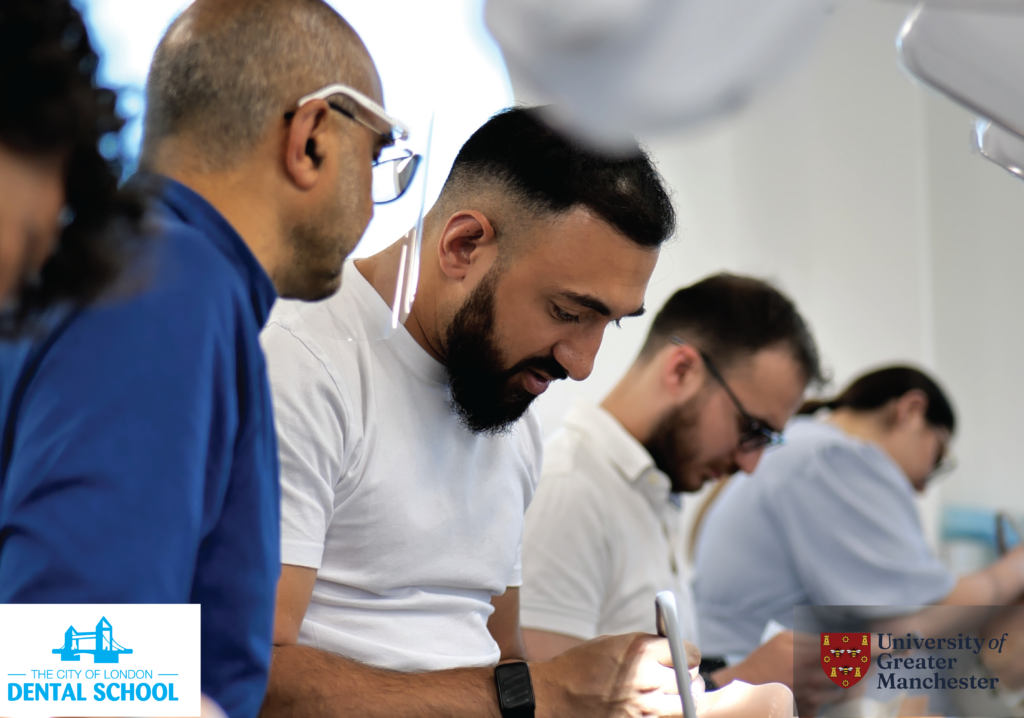
University of Greater Manchester programmes delivered by the City of London Dental School at SynTrain Academy, an authorised CoLDS delivery site
Tell
Show
Do
The MSc in Restorative and Aesthetic Dentistry is driven by new digital technologies as dentists are now expected to provide the latest orthodontic and advanced restorative treatments such as implantology and clear aligner treatments.
Optimum results in these advanced treatment modalities are reliant on the maintenance of hard and soft tissue health and a sound understanding of periodontology which is fundamental to success.
Price range: £13,400 through £22,400 Inclusive of VAT
University of Greater Manchester programmes delivered by the City of London Dental School at SynTrain Academy, an authorised CoLDS delivery site.

By the end of the programme, you will be able to:
- Confidently diagnose and treatment plan a wide range of restorative and aesthetic cases using a structured, patient-centred approach.
- Plan and deliver smile makeovers, ranging from minimally invasive aesthetic treatments to comprehensive full-mouth rehabilitation.
- Master composite veneer techniques, including freehand layering, injection moulding and 3D milled/printed composite restorations.
- Plan and deliver minimally invasive ceramic veneers, with a focus on conservative tooth preparation and predictable aesthetic outcomes.
- Understand and apply evidence-based tooth whitening protocols to achieve safe and predictable results.
- Diagnose and manage tooth wear, from simple cases through to complex and advanced presentations.
- Develop skills in fixed and removable prosthodontics, including crowns, bridges, partial and complete dentures.
- Apply Digital Smile Design principles using Exocad, gaining hands-on experience and benefiting from the support of our on-site dental laboratory.
- Develop a comprehensive understanding of occlusion, from fundamental principles through to advanced concepts and their application in complex restorative cases.
- Plan and restore implant cases, integrating implant restorative dentistry into comprehensive treatment planning.
- Develop practical endodontic skills, including effective rubber dam isolation and its application in restorative and endodontic procedures.
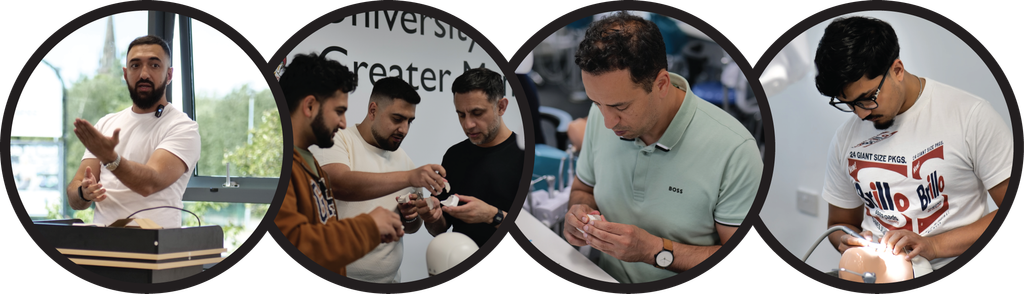
Clinical Skills Development Timetable
- Learn the core principles of contemporary restorative dentistry.
- How to achieve greater precision, predictability and consistency in restorative treatments.
- The principles of the bonded restorative concept and modern adhesive dentistry.
- How to select and handle restorative materials effectively.
- Step-by-step techniques for Class I–IV restorations.
- How to plan predictable, functional and aesthetic restorative treatments.
- Modern techniques for achieving long-lasting and aesthetic restorations.
- How to improve your restorative placement and finishing techniques.
- How to apply theoretical knowledge through hands-on practical training.
- How to develop greater confidence in delivering restorative treatments in everyday clinical practice.
- Practical tips and techniques from experienced clinicians through expert-led teaching and mentorship.
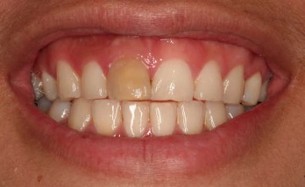
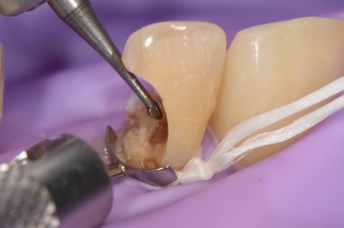
- Learn advanced restorative techniques building on your existing foundational skills.
- Principles of predictable crown, veneer and bridge preparation.
- How to prepare teeth for a range of indirect restorative materials.
- Practical techniques for effective and aesthetic temporisation.
- How to work with modern restorative materials, including PBC, PGC and zirconia.
- How to use essential clinical equipment, including motors, cameras and screens, to improve precision and workflow.
- Step-by-step techniques for UR1 veneer preparation.
- How to assess preparation design and apply appropriate clinical principles for predictable outcomes.
- How to refine your preparation, temporisation and restorative techniques through hands-on practice.
- How to apply advanced restorative techniques to achieve high-quality aesthetic and functional results.
- Practical tips and techniques through live demonstrations, expert guidance and focused mentorship.
- Greater confidence in applying these techniques within your everyday clinical practice.
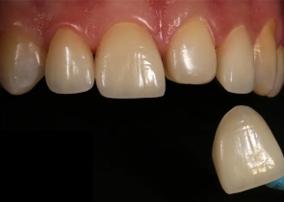
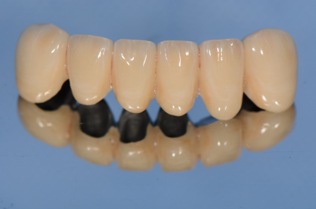
- The principles of 3D printed veneers and how they can be integrated into everyday clinical practice.
- How to plan and execute a complete digital veneer workflow.
- How to assess cases and prepare teeth appropriately for 3D printed veneers.
- Step-by-step techniques for veneer try-in, bonding and finishing.
- Modern bonding protocols for achieving predictable, long-lasting results.
- How to assess and refine veneer fit, function and aesthetics.
- How to use modern motors and finishing systems to achieve precise clinical results.
- How to troubleshoot and manage common challenges during the 3D printed veneer workflow.
- How to combine digital planning with precise chairside clinical techniques.
- Practical tips for achieving highly aesthetic and predictable outcomes.
- How to confidently integrate 3D printed veneers into your existing clinical workflow.
- Greater confidence in delivering digitally driven aesthetic restorative treatments in everyday practice.
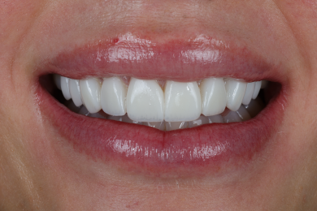
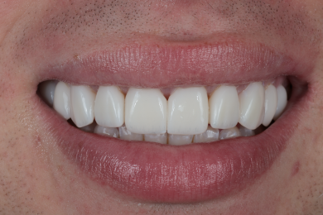
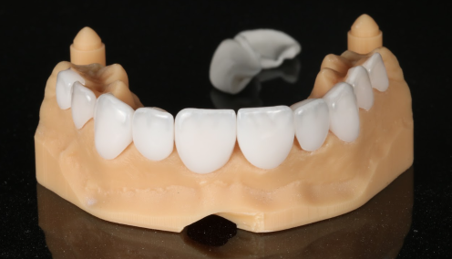
- The principles and clinical applications of the injection mould technique for anterior teeth.
- How to identify suitable cases and plan minimally invasive aesthetic restorations.
- The importance of material selection when using the injection mould technique.
- The complete clinical workflow, from diagnostic wax-up through to the final restoration.
- How to achieve predictable, consistent and aesthetic results with anterior composite restorations.
- Techniques for improving accuracy and efficiency when placing anterior composite.
- How to use motors and modern clinical tools for refinement, finishing and polishing.
- How to optimise the fit, function and aesthetics of anterior composite restorations.
- How to recognise and troubleshoot common challenges when using the injection mould technique.
- Practical insights through expert-led discussion and relevant clinical examples.
- How to confidently incorporate the injection mould technique into your everyday clinical practice.
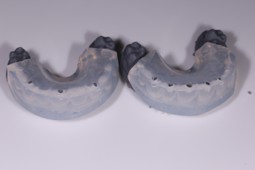
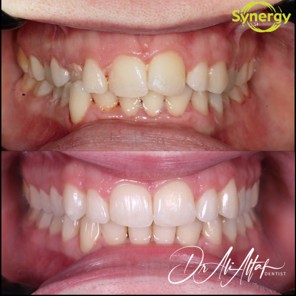
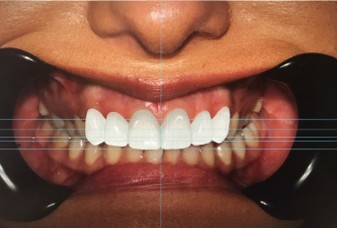
- The fundamental principles of removable prosthodontics and denture treatment.
- The different types of complete and partial dentures, including their clinical indications.
- How to assess and diagnose patients requiring full or partial dentures.
- How to select appropriate denture designs and materials for individual patients.
- How to develop effective treatment plans to achieve functional, comfortable and aesthetic outcomes.
- The principles of bite registration in edentulous patients.
- How to assess and record vertical dimension and centric relation accurately.
- Step-by-step protocols for achieving predictable and accurate bite registrations.
- How to identify and manage common clinical challenges associated with denture cases.
- Key considerations for improving the accuracy and predictability of denture fabrication.
- Practical insights through clinical demonstrations, expert-led teaching and interactive discussion.
- Greater confidence in planning and managing full and partial denture cases in everyday clinical practice.
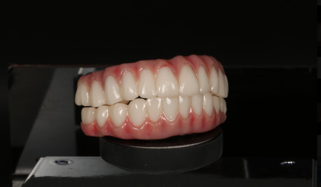
- You will learn the fundamental principles of implant restorative dentistry.
- How to assess and plan the restoration of single and multiple implant cases.
- How to select the appropriate implant restorative components and abutments.
- The principles of conventional impression and digital implant workflows.
- Key considerations for achieving accurate and predictable restorative outcomes.
- The principles of implant occlusion and how to apply them clinically.
- How to restore a single implant unit, including abutment selection and restoration seating.
- How to assess and manage occlusal considerations when restoring implant-supported restorations.
- How to identify and troubleshoot common clinical challenges associated with implant restoration.
- Practical restorative protocols through hands-on training in a controlled learning environment.
- How to apply restorative principles to both single and multiple implant cases.
- Greater confidence in restoring implant cases effectively and predictably in everyday clinical practice.
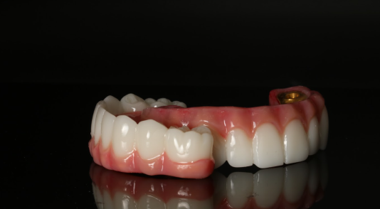
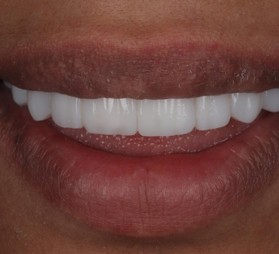
- You will learn the principles of advanced anterior aesthetics and direct composite veneer restorations.
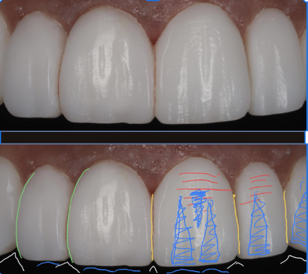
- How to assess and recreate natural anterior tooth anatomy.
- Step-by-step techniques for direct composite veneer placement.
- How to use composite layering techniques to achieve natural-looking aesthetic results.
- How to select and manipulate composite materials effectively.
- Techniques for building up anterior teeth, including practical restoration of incisors.
- How to improve precision and efficiency using motors and modern clinical tools.
- How to refine, finish and polish composite restorations for optimal aesthetic outcomes.
- How to apply layering techniques to create appropriate shape, contour and anatomy.
- Common considerations for achieving predictable and long-lasting composite restorations.
- Practical techniques through hands-on training, expert guidance and clinical discussion.
- Greater confidence in delivering high-quality direct composite restorations in everyday clinical practice.
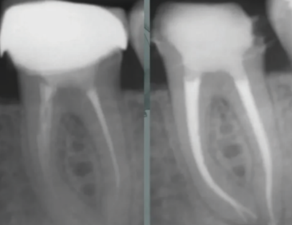
- You will focus on the fundamental principles of predictable and contemporary endodontic treatment.
- How to approach endodontic diagnosis, case selection and treatment planning.
- The principles of effective rubber dam isolation and its importance in endodontic treatment.
- How to use ProTaper systems and endodontic motors effectively.
- The principles of canal preparation and shaping.
- How to establish and manage a predictable glide path.
- How to apply torque-controlled instrumentation to improve safety, efficiency and consistency.
- How to develop a structured and efficient endodontic workflow.
- How to identify and manage common challenges encountered during root canal treatment.
- Practical tips and techniques to improve the predictability of endodontic procedures.
- How to apply modern motor-driven instrumentation protocols in everyday clinical practice.
- Greater confidence in delivering safe, efficient and high-quality endodontic treatment.
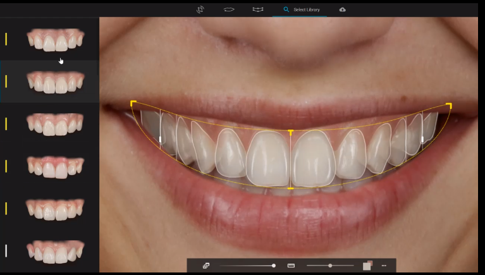
- You will learn the principles of smile design and aesthetic treatment planning.
- How to assess facial and dental aesthetics when planning smile makeovers.
- How to use digital smile design principles to support predictable treatment outcomes.
- Practical experience using Smile Cloud to plan and prepare teeth from 3–3.
- The principles and techniques involved in indirect restorative treatments.
- How to approach tooth preparation for indirect restorations with precision and predictability.
- Step-by-step techniques for creating accurate and aesthetic provisional restorations.
- How to improve your temporisation skills for enhanced fit, function and aesthetics.
- How to translate aesthetic treatment plans into precise clinical execution.
- Practical techniques through hands-on workshops, demonstrations and expert guidance.
- How to integrate smile design, preparation and temporisation into a cohesive restorative workflow.
- Greater confidence in delivering predictable, high-quality aesthetic restorative treatments in everyday clinical practice
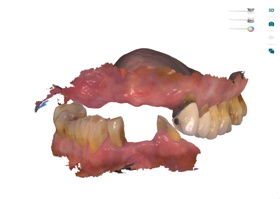
- Invisalign bonding, professional whitening and anterior edge bonding.
- How to assess patients and develop appropriate treatment plans using digital workflows.
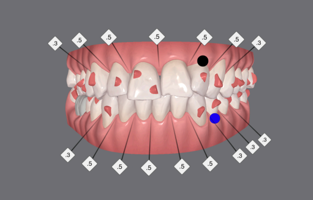
- How to use ClinCheck effectively for Invisalign treatment planning and case assessment.
- The principles and techniques of interproximal reduction (IPR).
- How to accurately position and bond Invisalign attachments.
- How to optimise aligner fit and performance through precise attachment placement.
- How to assess case suitability, understand clinical limitations and manage patient expectations.
- Professional whitening protocols using the Prestige system, including shade taking and treatment planning.
- How to communicate effectively with patients throughout the whitening process.
- Anterior composite edge bonding techniques, including anatomy, contouring, finishing and polishing.
- How to achieve natural, harmonious and aesthetically pleasing edge bonding results.
- How to combine digital planning with precise clinical execution for predictable outcomes.
- Greater confidence in delivering Invisalign bonding, Prestige whitening and edge bonding treatments to a high clinical and aesthetic standard.
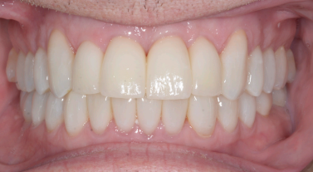
- How to assess, diagnose and manage patients presenting with tooth wear.
- The relationship between tooth wear, occlusion and overall oral function.
- The fundamental principles of occlusion and their application in restorative treatment planning.
- How to develop appropriate treatment strategies for functional and occlusal challenges.
- Practical techniques for stabilisation splint fabrication.
- How to apply occlusal principles when planning and delivering restorative treatments.
- How to assess complex cases and make appropriate clinical decisions.
- How to develop predictable restorative strategies that consider function, aesthetics and long-term stability.
- How to use study circle discussions and complex case analysis to refine diagnosis and treatment planning.
- Practical approaches to managing challenging restorative cases in everyday clinical practice.
- Greater confidence in delivering functional, aesthetic and predictable outcomes in advanced restorative dentistry.
- Capture high-quality intraoral and extraoral dental photographs using professional clinical photography techniques.
- Apply advanced lighting, positioning, composition and camera settings to produce consistent clinical images.
- Photograph clinical cases to accurately document treatment and demonstrate clinical outcomes.
- Use dental photography to support clinical assessment, treatment planning and patient communication.
- Plan and carry out photography sessions for both clinical documentation and professional presentation.
- Critically assess your own clinical photographs and refine your technique to improve image quality.
- Use digital photography to showcase aesthetic and restorative treatment outcomes effectively.
- Develop and organise a professional clinical photography portfolio.
- Apply digital photography techniques to support aesthetic treatment planning and smile design.
- Integrate clinical photography into your everyday postgraduate dental practice.
Faculties
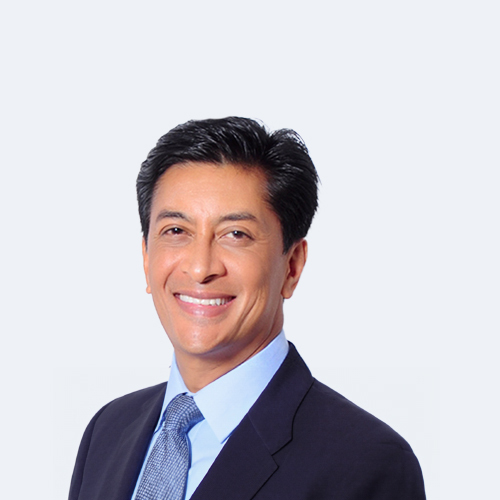
Dr. Anil Shrestha
Prosthodontics SpecialistSculpting smiles for decades. World-class implant surgeon & GDC Prosthodontics guru, he weaves artistry with expertise...

Dr. Zuber Bagasi
CEODr. Zuber Bagasi, aka Zubz, blends clinical expertise (think calming chairside presence) with business savvy (hello, SynTrain platform!).
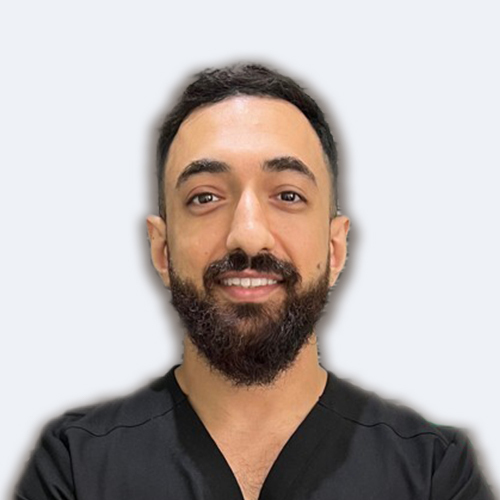
Dr. Mateen Ahmad
DentistDr Mateen’s aim is to create healthier and happier smiles, treating the patient and not the case is his motto.
This module aims to foster an evidence-based approach to patient selection as well as the knowledge and understanding of the theory and practice required to recognise and provide advanced level restorative and aesthetic treatment modalities and risk assessment.
Its objective is to highlight potential restorative and aesthetic complications in treatment and for you to be able to develop
p risk assessment strategies to avoid or minimise these complications in restorative and aesthetic therapy. The practice of predominately elective treatments is one of the most challenging and complex fields of medicine as it often entails an in-depth knowledge of more than one specialty with each having a unique set of complications that need to be identified and effectively managed.
The challenges you may face can range from unacceptable aesthetics and poor treatment outcomes to irreversible surgical trauma to vital structures and potentially life-threatening haemorrhage. This module enhances your understanding of the requirements and skills essential to the safe clinical practice and application of advanced treatment modalities, as well as the challenge of long-term maintenance issues or complications.
Recognizing that not all complications can be prevented, the module also addresses essential management strategies, ethical considerations related to informed consent, and the management of patient expectations. You will develop skills in communication, organization, planning, problem-solving, treatment planning, risk assessment, ethical responsibility, and securing consent.
This module introduces the concept of digital smile design and the aesthetic management of dentition, focusing on the application of advanced three-dimensional imaging systems and supporting software. Participants will gain an in-depth understanding of various restorative protocols employed in aesthetic makeovers, along with their respective advantages and limitations. The module also includes the critical analysis of patient case studies, enabling participants to develop comprehensive treatment plans utilizing the technologies covered.
Patient awareness of aesthetics, along with advancements in orthodontic techniques, implantology, and restorative rehabilitation, has led to a rise in adults seeking advanced dental treatments. As a result, dentists are increasingly tasked with diagnosing and managing occlusion as part of broader treatment plans.
This multidisciplinary module examines the anatomy, etiology, and management of occlusion from both orthodontic and restorative viewpoints. Its goal is to equip dentists with the skills to accurately diagnose occlusal issues and develop comprehensive treatment plans that facilitate a multidisciplinary approach to patient care.
This module provides a comprehensive evaluation of cutting-edge computer-aided design and manufacturing (CADCAM) technologies utilized in digital dentistry. It aims to equip participants with hands-on experience in using commercial CADCAM systems. Participants will develop a foundational understanding of CAD software and gain practical competence in its application.
The module also introduces image-capturing technologies, exploring their indications and integration into the digital workflow. Detailed instruction on commonly used software for treatment planning and the design of restorative appliances and surgical guides is included. Participants will have the opportunity to apply CAD software in real-life cases, critically assessing its functionality and application across various treatment modalities. Additionally, the module covers CAM processes, highlighting appliance fabrication using advanced hardware such as milling and 3D printing technologies.
The module aims to cultivate reflective practitioners by fostering the development of innovative and reflective thinking alongside problem-solving skills.. Reflective practice serves as a vital tool for enhancing clinical judgment and building medical expertise, encouraging a thoughtful and evidence-based approach to clinical care.
The module requires students to formulate and justify their own patient centred treatment plans with illustrated case reports. The module affords the opportunity to demonstrate knowledge and understanding of a specialist treatment modality and reflect on learning experiences and competencies gained from various treatment modalities relevant to their dissertation topic.
Students will also need to consider how their practices and attitudes have evolved and changed over time because of these experiences. Case reports will be used for them reflect on treatment outcomes so helping them to identify connections between intended and actual outcomes achieved and how they may be improved upon.
This module is designed to help you develop the research skills necessary to identify your dissertation topic, create a detailed proposal, and plan your research effectively. It will equip you with the academic skills required for Master’s level study.
The module encompasses key areas such as clinical statistics, evidence-based practice, critical appraisal, measurement, and research design, with a focus on their specific applications in medical research and treatment.
You will learn how to formulate realistic research objectives and establish an appropriate conceptual and analytical framework for your study. Additionally, you will acquire skills in identifying, collating, and critically reviewing relevant literature, enabling you to make informed decisions regarding the research philosophies, strategies, and methods best suited to your project.
This taught module offers the opportunity to conduct an extended and significant research project. It enables you to synthesize the academic knowledge gained from your previous postgraduate studies and practical experiences to create an evaluative and critical discussion on a specialist dental topic directly related to your program.
The module aims to enhance your skills in identifying a problem, determining its significance, formulating a hypothesis or proposition, designing a method for testing the hypothesis, and evaluating the results.
Payment Terms
We offer flexible payment options to suit your needs:
- Pay in Full – Settle the full course fee upfront.
- Finance Option via Tabeo – Spread the cost with financing arranged through our external partner, Tabeo.
- 12-Month Payment Plan – Available on hands-on format.
- Hands-on Course: £5,000 deposit, followed by 12 monthly payments of £2,028
The Advanced Prior Learning (APL) Delegate Pathway is designed for clinicians who have successfully completed the Diploma and wish to progress their academic study and clinical development at an advanced level.
Through this pathway, delegates will further develop their knowledge and clinical understanding in advanced implantology and restorative aesthetic dentistry. The programme places particular emphasis on the critical evaluation of contemporary research, the application of evidence-informed methodologies, and the integration of advanced principles into clinical practice. In addition, delegates will complete a series of specified modules designed to extend, complement, and consolidate prior learning.
The Advanced Prior Learning Delegate Pathway offers an appropriate progression route for practitioners seeking to enhance both their academic profile and clinical expertise within a structured and rigorous educational framework.
Apply now to take the next step in your professional development.
FAQ
Comprehensive (Blended Learning Route):
- We run one cohort each year, with 12 teaching days scheduled on one Saturday per month.
- Every January of each year
- Each cohort is intentionally capped at 20 delegates and supported by one experienced lecturer, ensuring close supervision and personalised learning.
This programme is designed for dentists who are looking to enhance their clinical practice and skills, through a platform which offers continual access to support, advice and knowledge. The Restorative & Aesthetic Programme is suitable for dentists working in any type of practice. It caters for a wide range of general dentistry so that delegates can enhance their clinical skills no matter which environment they are working in.
Yes. We offer flexible entry points. If you join mid-cohort, you will be given the opportunity to attend any missed hands-on learning days with the next available cohort, ensuring no loss of training.
Yes, this is possible for many delegates.
- Hands-on days are fixed, but once these are completed—and your coursework, exams, and (where applicable) dissertation are passed—you may complete early
- The same flexibility applies to the dissertation component, depending on your pace and submission
Progression explained clearly:
- During the first 12 months, you complete the Level 7 Diploma, alongside structured hands-on experience
Upon completion of the Diploma stage, you will be awarded a Level 7 EduQual Postgraduate Diploma, and you may then progress onto the MSc if desired.
Yes.
- You may enrol on the MSc without GDC registration
- You will have full access to phantom-head training and non-patient hands-on components
- Recognition varies by country, and delegates must confirm requirements with their local regulatory authority
- As a UK-accredited MSc, the qualification is widely accepted internationally
- As this is a part-time MSc, it does not confer specialist status on registers such as the UK GDC Specialist Register
- The qualification supports legal practice in many international jurisdictions, subject to local regulations
No, this course does not offer mentorship. At the end of the first year, you will observe live patient treatment on Restorative & Aesthetic Dentistry. Treatments will be Composite Bonding, Injection Moulding, Porcelain Veneers or Full Mouth Rehabilitation.
We offer a range of flexible payment options to support our delegates:
- Pay in full – via our website or by bank transfer
- Finance options – available through Tabeo (subject to approval)
- 12-month payment plan – £5,000 deposit to secure your place, with the remaining balance spread evenly over 12 monthly instalments
Bank Transfer Details:
Account Name: Syntrain International Training
Sort Code: 30-91-01
Account Number: 20607868
Yes.
- You may complete the Level 7 Diploma first
- You will then APL (Accredit Prior Learning) onto the MSc programme
- APL fees and details are clearly outlined in the brochure
At present, we do not offer Student visa sponsorship for our part-time MSc programmes.
These programmes are designed for clinicians who already hold the appropriate right to work or study in the UK, or who are completing the course via the digital/distance-learning route.
Post-nominals are awarded in line with the qualification completed and provide credible recognition of your advanced training.
- MSc – MSc Specialist Practice in Restorative & Aesthetic Dentistry
Absolutely. Our programmes are specifically designed for busy clinicians. With a flexible structure, blended learning, and on-demand digital content, you can progress at a pace that works around full-time work and family life.
Yes. Our MSc programmes are awarded by the University of Greater Manchester, providing a recognised and respected academic qualification.
No, physical attendance is not mandatory. You have the option to attend if you wish, but it is not a requirement of the course. Your academic tutor will arrange weekly Zoom or Teams meetings at a time that is convenient for you.
- Yes. If you have successfully completed a relevant PG Diploma with one of our approved partner institutions, you may be eligible to progress onto the MSc programme. Progression is subject to review of your prior qualification, academic transcripts, and meeting the MSc entry requirements.
- Please contact our admissions team with details of your PG Diploma so we can advise on eligibility and the next steps.
Yes. All of our MSc programmes are fully mapped against the relevant Royal College of Surgeons examination blueprints, ensuring structured alignment with the competencies and knowledge required.
It means the MSc curriculum has been designed to reflect the content, learning outcomes, and clinical competencies assessed in the RCS examinations. This ensures a coherent academic pathway towards exam readiness.
The programme integrates evidence-based learning, clinical case exposure, and structured assessments that mirror the knowledge and skills required for the RCS exam format.
We typically encourage candidates to undertake the RCS examination after completing their MSc, once they have consolidated both their academic knowledge and clinical experience.
While the MSc provides a comprehensive foundation, some candidates may choose to undertake additional revision or exam-focused preparation depending on their individual confidence and experience.
It provides a clear progression pathway from postgraduate academic study to a recognised professional qualification, ensuring candidates are well-prepared and confident when approaching the RCS examination.